Introducing the Unify API



Unactioned data is wasted potential. Outbound without data is wasted effort.
Most GTM teams have the infrastructure for both data and action in outbound. They just live in different systems, managed by different teams, on different timelines. By the time a signal reaches the outbound tool, the moment it captured has passed. Money left on the table.
The Unify API: Bridging data and action in outbound
Today we're introducing the Unify API.
Unify has always been the orchestration layer for outbound, where reps and agents work in parallel to run outbound to the accounts in market right now. The API makes that layer even more powerful. Any system can push signals and targeting data into Unify. Any event can push contact and company data back out to the rest of your stack.
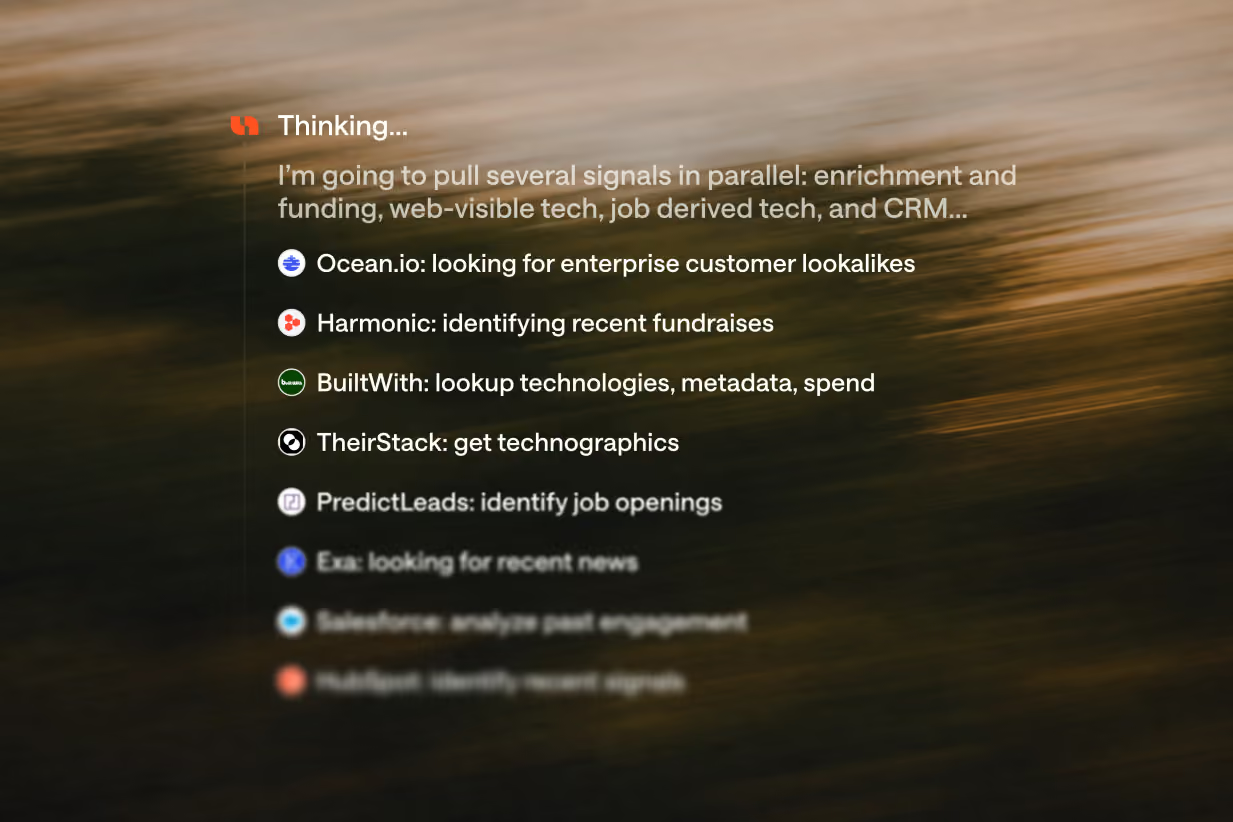
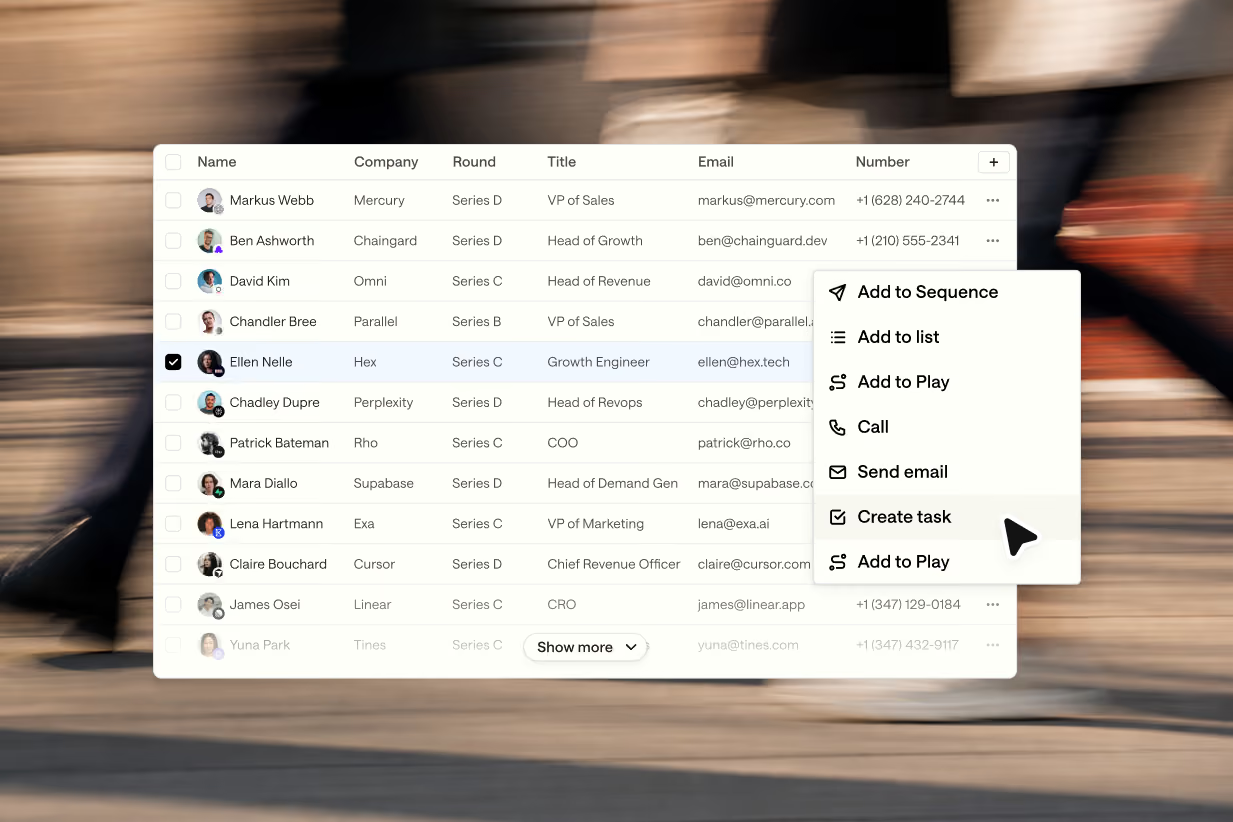
Bring data in: Our API gives you full read/write access to accounts, contacts, and custom objects. Pull signals and targeting data from any source into Unify: your data warehouse, your GTM tools, your internal systems, and more. With all of your tools connected, you get the full picture of intent in Unify, so targeting is specific and your sequences actually reflect what your data knows.
.avif)
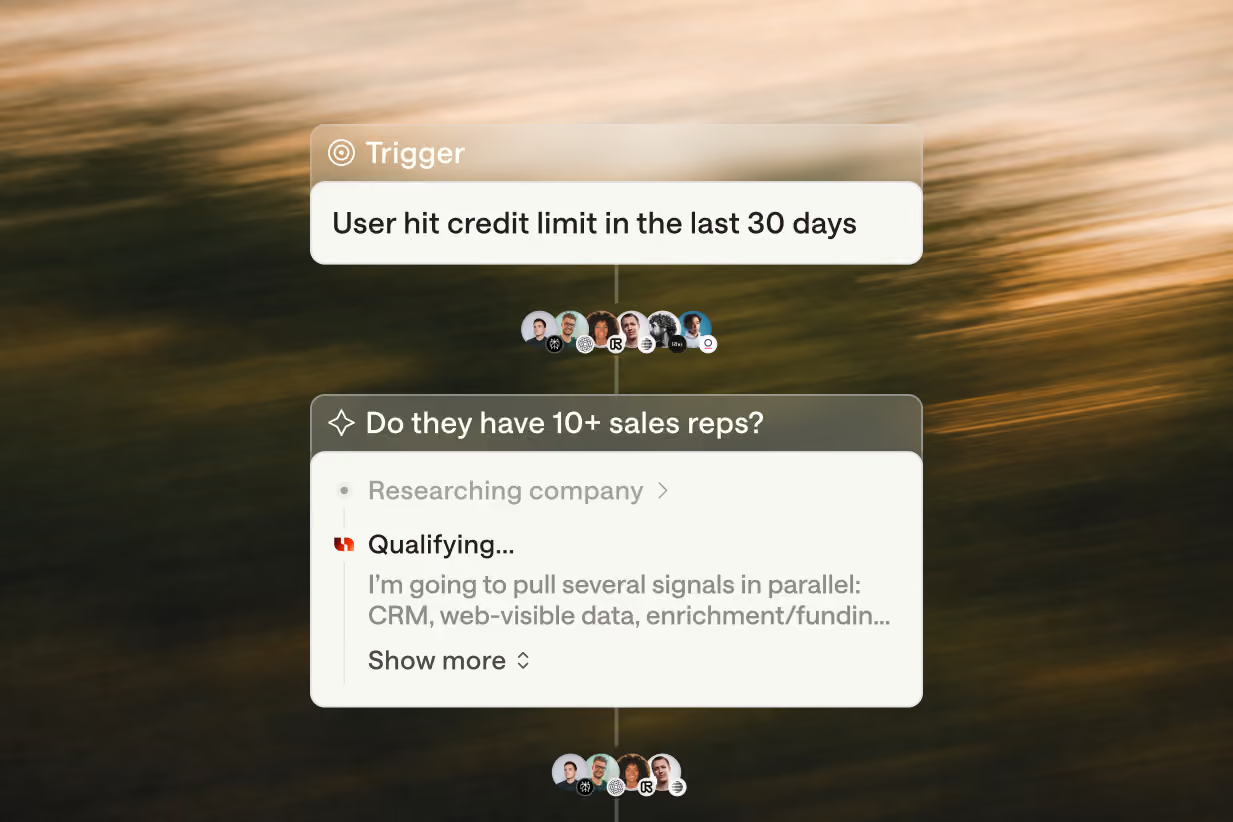
Push data out: New webhook actions in Plays can now fire on intent triggers: email opens, website visits, product events, job changes. Route contact and company data to wherever action needs to happen next: dialers, Slack, socials, nurture tools, automation platforms, anything with an endpoint.
.avif)
Everything runs through a single API.
How teams are using the API today
Customers are already putting the API to work. Here are six ways they're wiring it up.
Bringing data into Unify:
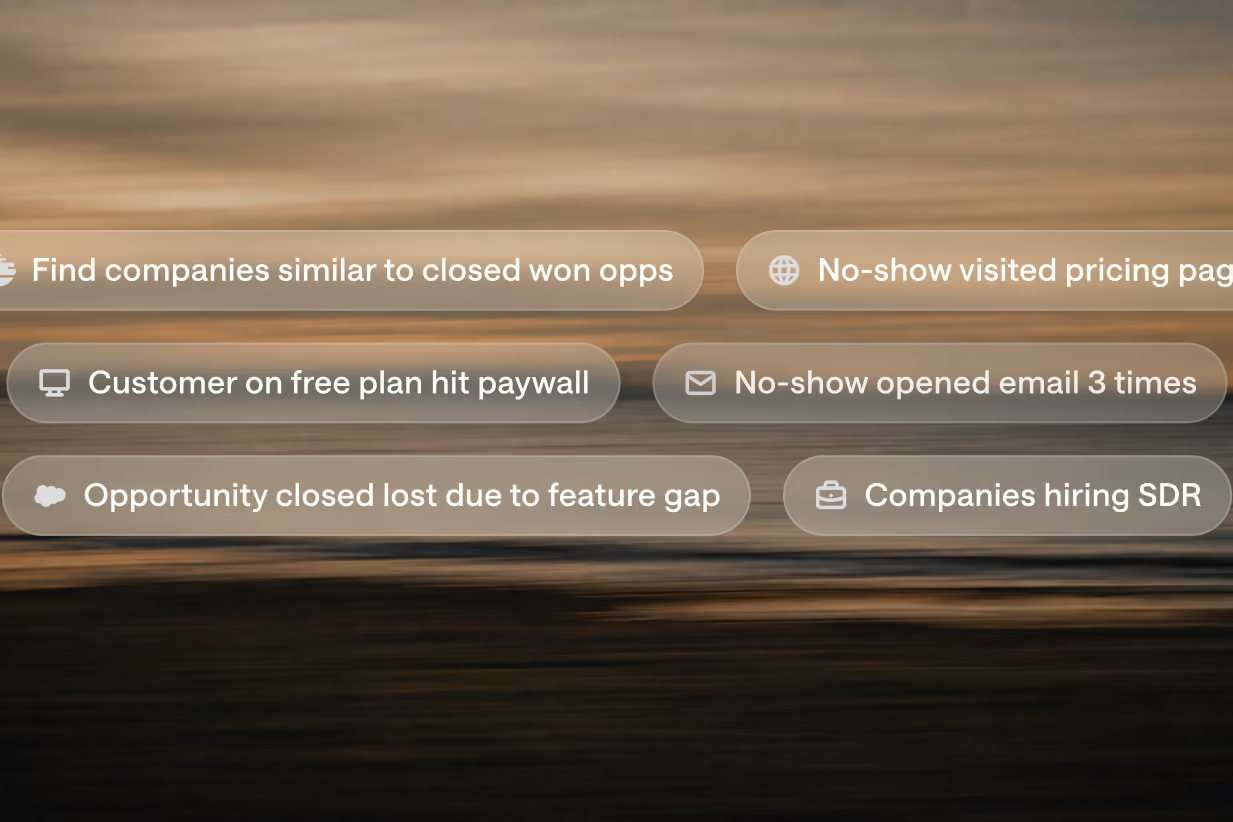
- Clay scores, Unify actions: A RevOps leader has a scoring model in Clay and pushes it into Unify. From there, highly scored accounts who show intent are tee'd up for reps, while the rest get automated messaging.
- Converting trials to revenue: Trial activity syncs from your product database into Unify as a custom object. When a free user crosses a usage threshold, a play fires and they're in a sequence before they close the tab.
- De-anonymizing website visitors: RB2B identifies an individual on a pricing page. The API pulls them into a personalized sequence instantly. That anonymous pricing-page visit turns into a rep's phone call the same afternoon.
Pushing data out of Unify:
- Relaying intent alerts to reps: A prospect opens an email three times in an hour. A webhook pings the account owner in Slack or Teams within seconds. Reps call while interest is hot, not three days later when the moment's gone.
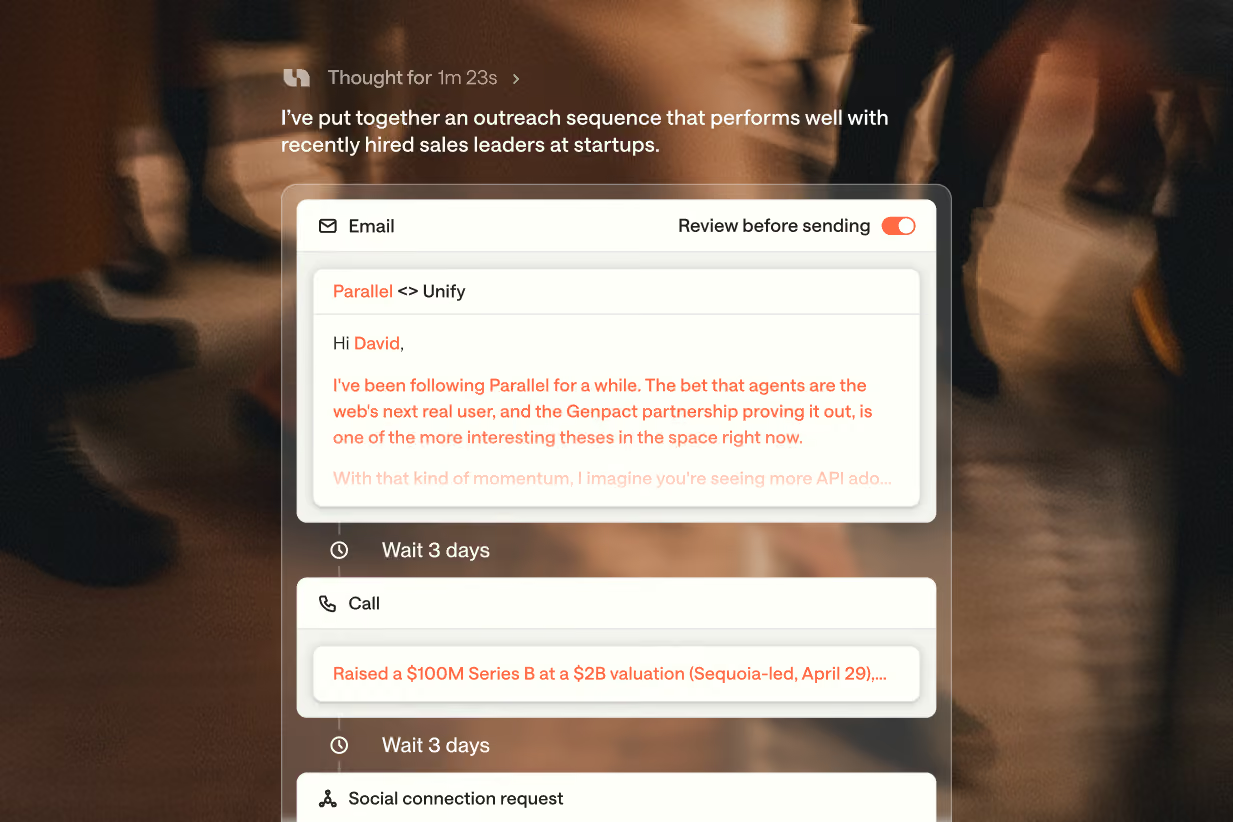
- Automated outreach on socials: Website intent fires a webhook to LaGrowthMachine. A connection request goes out while Unify follows up over email. Two channels, one trigger, no manual steps.
- Intent-to-nurture handoff: A prospect shows a warm signal, but the aren't ready for outbound yet. A webhook pushes them into a Marketo nurture workflow. When buying signals strengthen, another play picks them up.
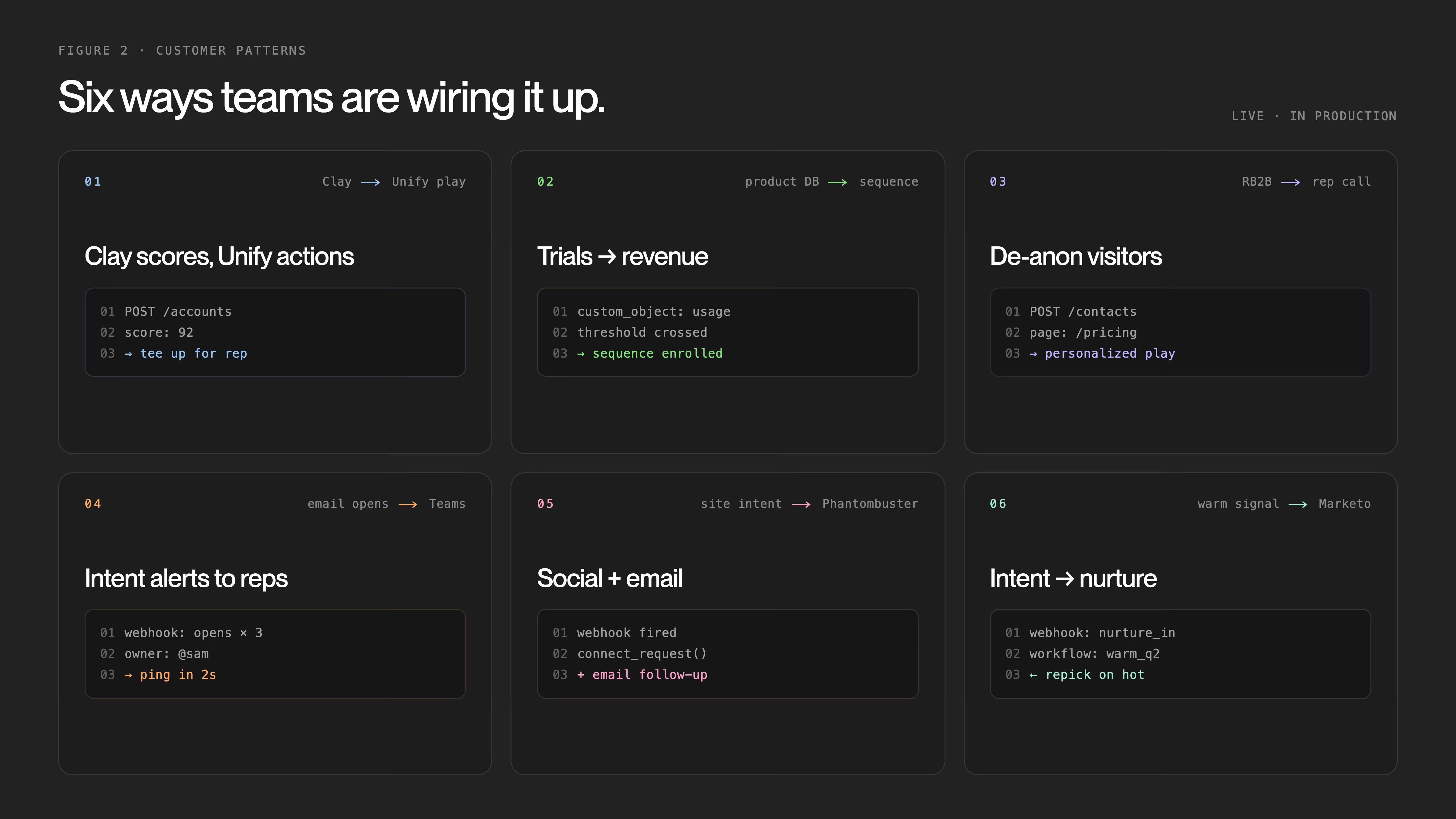
These are the first use cases customers built. We're seeing new ones emerge every week.
Truly connected outbound
Outbound data and action now share the same surface. Every signal your stack captures can reach your sequences. Every prospect showing intent can reach your other action layers. The API closes the gap between what your data knows and what your outbound acts on.
If you’re a Unify customer, start building today: API documentation →
Not yet a Unify customer? See how you could drive more intelligent outbound today: Chat with the team →